
Tree Stories
Scroll down this page to find engaging information about some of the trees that you will find in our park.
Botanical, historical, cultural, and medicinal tidbits. They're all here to enrich your knowledge about our natural park heritage.
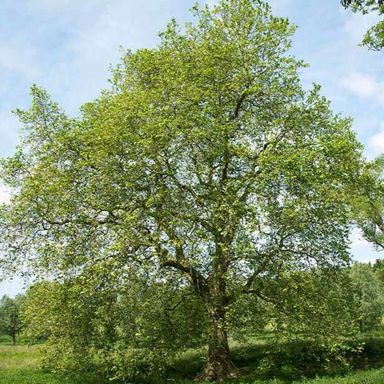
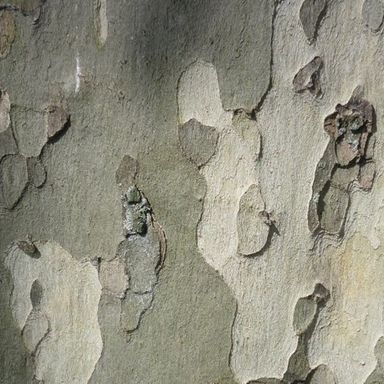
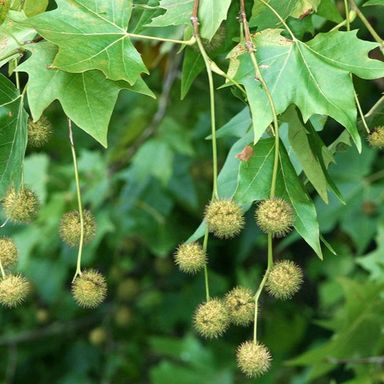
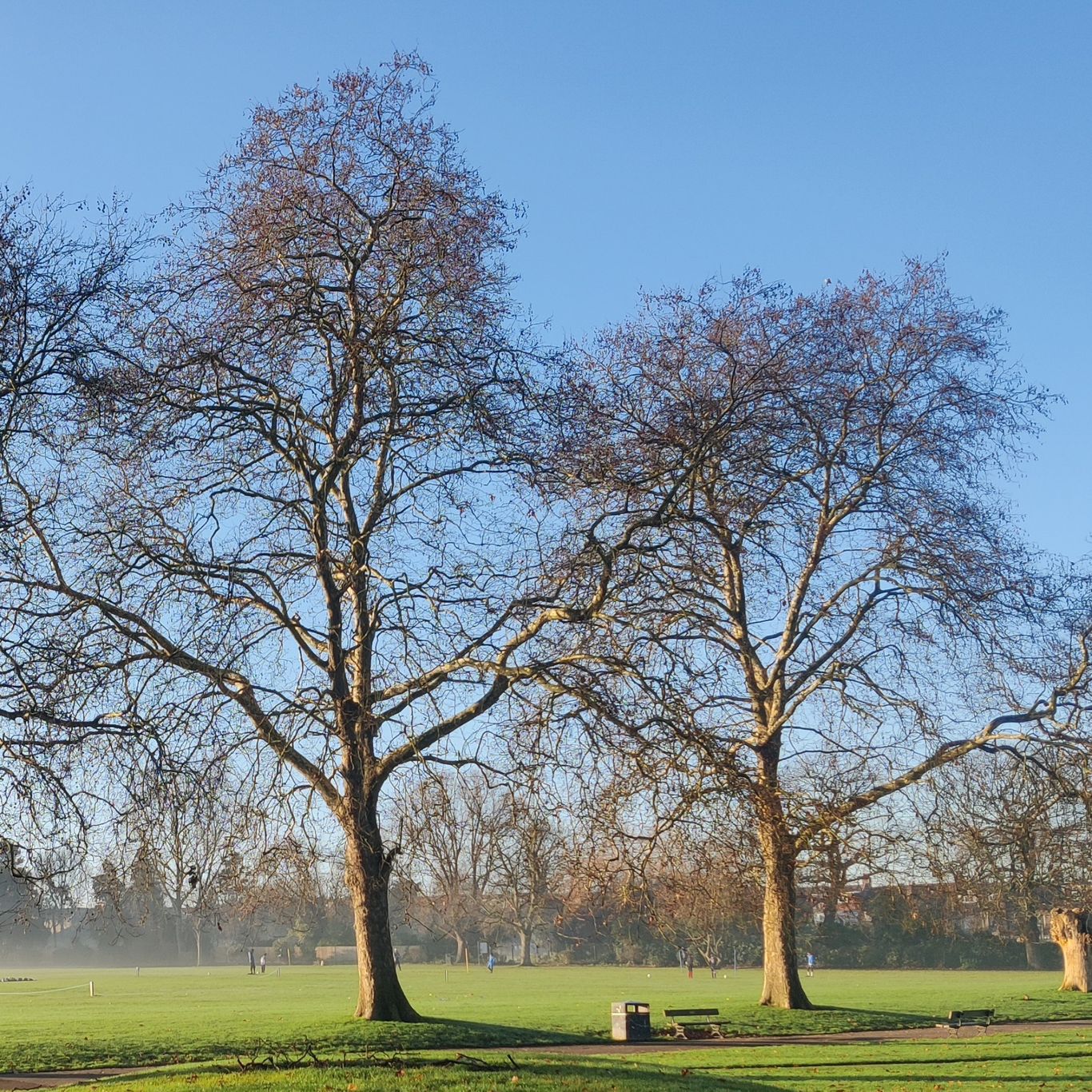
London plane
Platanus x hispanica
This tree is synonymous with our London streets and parks, even though it is widely planted across the country and across continental Europe.
You can tell from the 'x' in its scientific name that it's a hybrid - a "cross between" an American sycamore and an eastern European plane tree. Like most hybrids, it's fast growing (a characteristic known as "Hybrid Vigour").
In times gone by, it's strange, scale-like, shedding bark made it well-suited to survive and thrive on our polluted city streets.
There are many legends about how and where the hybrid arose. My favourite (found in is that the original hybrid was raised in the Botanic Garden of Magdalen College, Oxford in 1666 (also the year of the Great Fire of London). An enormous plane tree stands there still, said to be a "scion" of that original cross.
West Himalayan birch
Betula 'Jacquemontii'
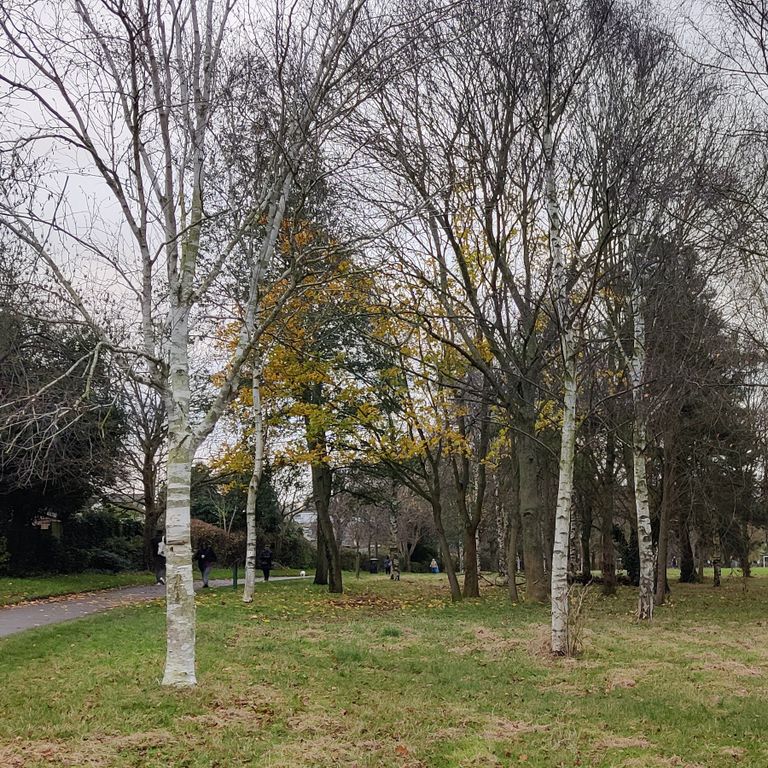
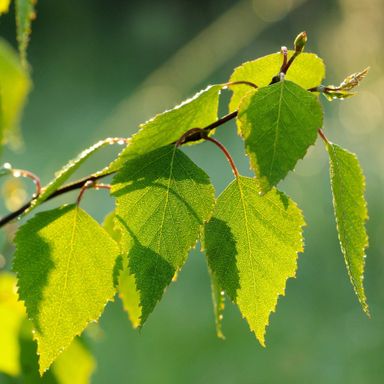
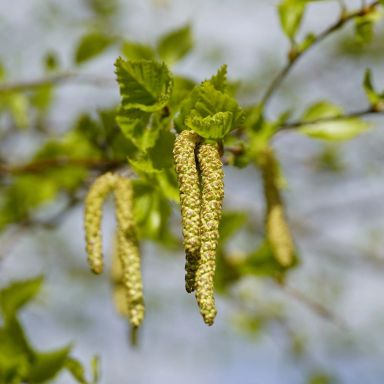
As its name implies, this particular birch tree, which is widely planted in parks and city streets in this country because of its striking white bark, is more at home in northern India, Tibet, and Nepal, where it grows high on the slopes of the Himalayas, at elevations up to 4,500 metres (that’s over 14,000 feet!)
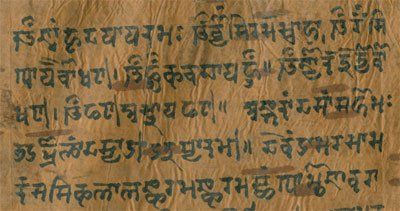
Our jacquemontii cultivar is named after French naturalist Victor Jacquemont (1801-1832) and is a variety of Betula utilis, so named because of its incredible utility value. Perhaps the most interesting use of the bark was as a writing medium for Sanskrit texts, before the advent of paper in the 16th century CE. (It’s still in use today for sacred mantras sealed in amulets.)
Birch trees in general, and their peelable bark, are an extraordinary natural resource, in use since pre-historic times for building, manufacturing, clothing and medicinal purposes. One could fill an entire book with the historical, cultural and commercial information about the tree and its amazing bark.
Public Domain, https://commons.wikimedia.org/w/index.php?curid=3781329
https://en.wikipedia.org/wiki/Betula_utilis
https://www.missouribotanicalgarden.org/PlantFinder/PlantFinderDetails.aspx?kempercode=e358